
Tag: Trees
-
American Hophornbeam
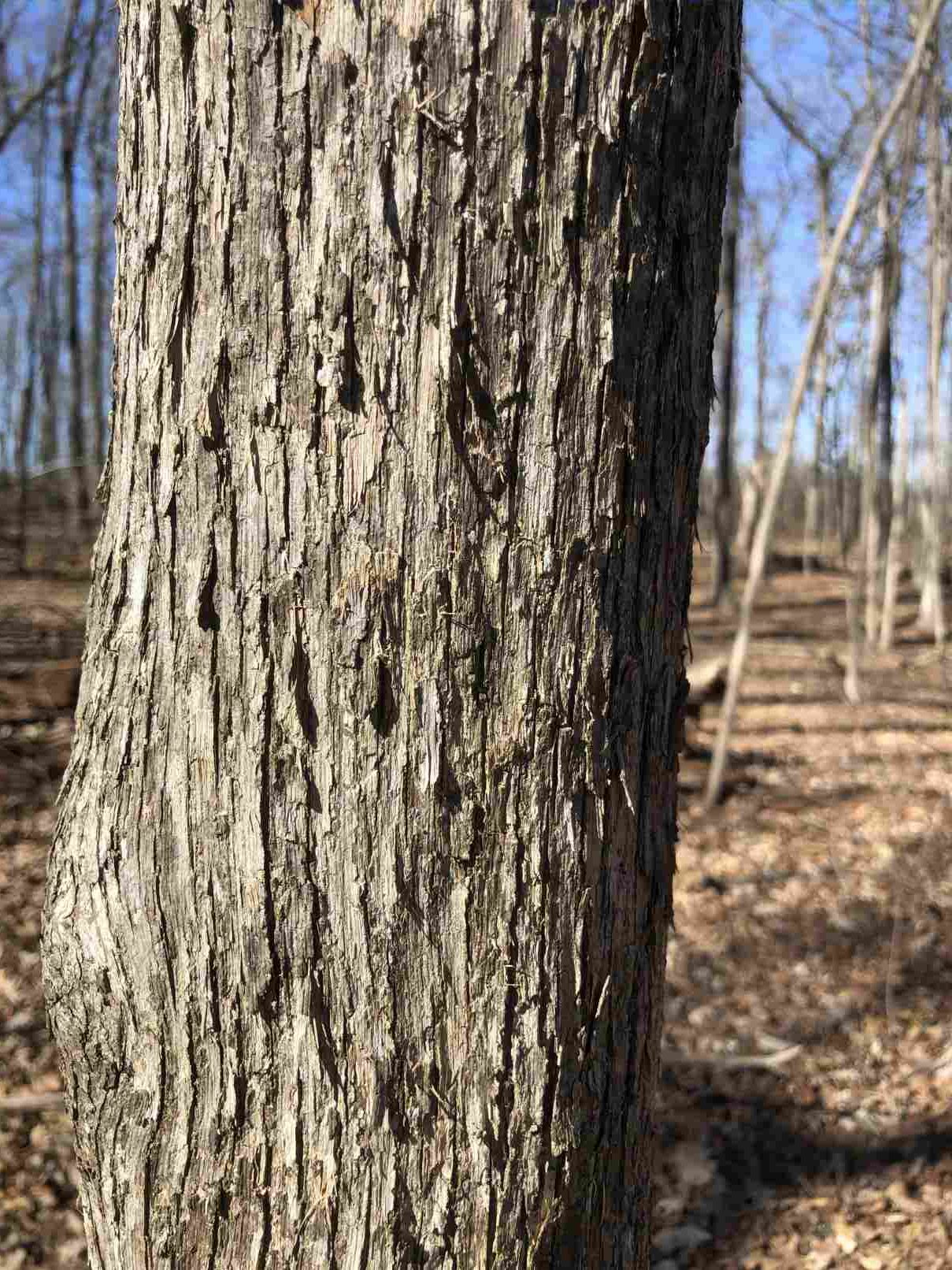
American Hophornbeam (Ostrya virginiana) (aka Ironwood) (Wikipedia) is native to eastern USA, from east of the Mississippi and north of northern Florida. The hophornbeam bark looks like cat scratches and is frequently called cat scratch bark tree. The flowers of the hophornbeam are called catkins and bloom in early spring. The hophornbeam flowers are either male…
-
Maple
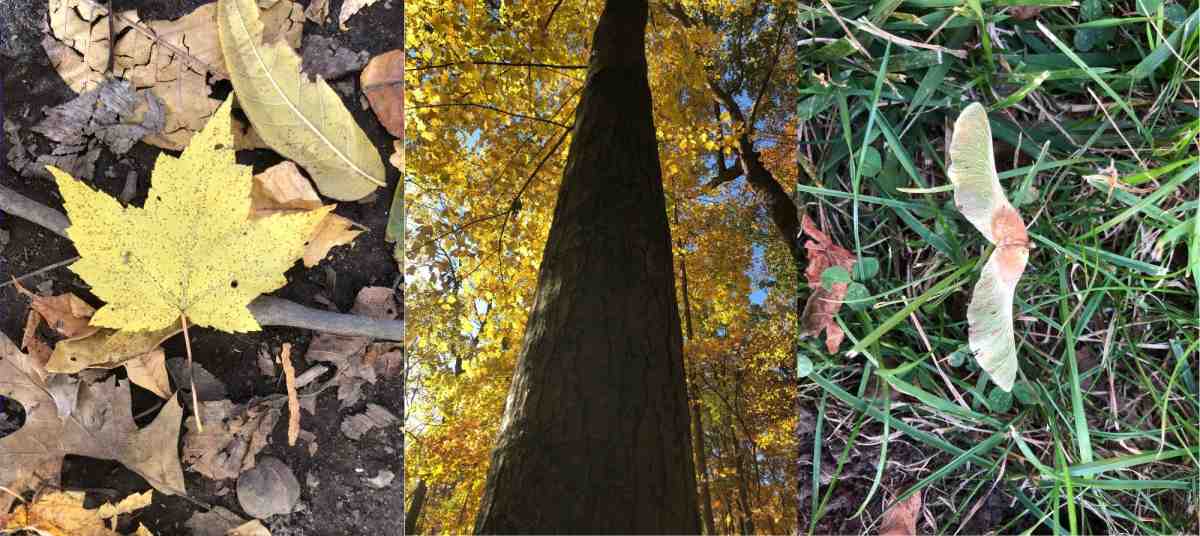
Maple (acer) is a hardwood tree. Maple timber is commonly used in flooring and furniture-making. Maple syrup is made from the sap of some maple species including sugar maples (acer saccharum). Maple tree pests are fungus, caterpillars, aphids and Asian long-horned beetles. The maple leaves are palmately (like a hand) lobed. The leaves are in pairs…
-
Red Oak
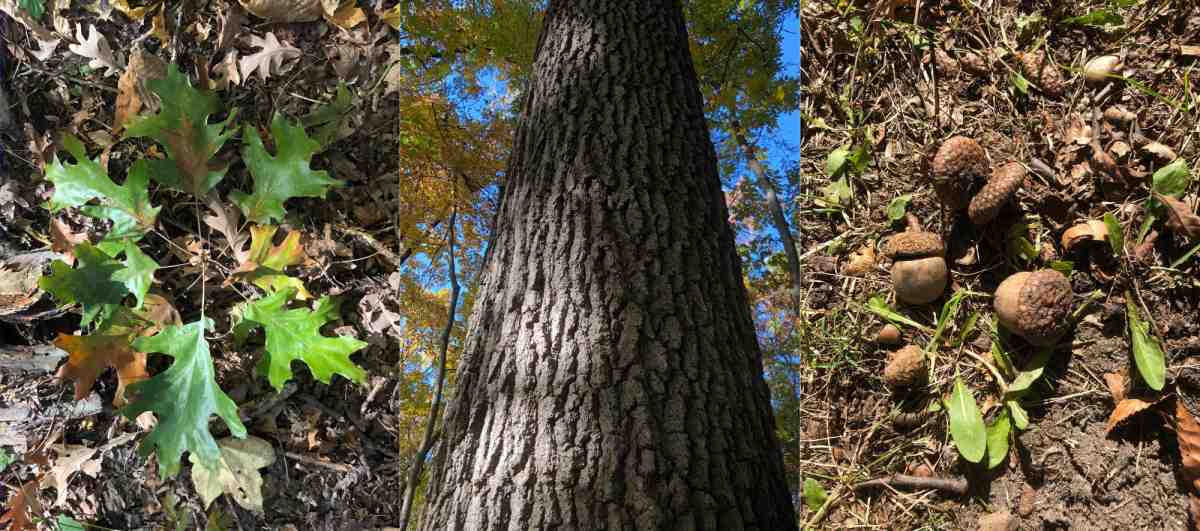
Oak (genus Quercus) is a hardwood tree. Oak timber is commonly used in construction and furniture-making. Oak barrels are used for aging alcoholic beverages such as wine, sherry and whisky, giving them an added flavor and aromas. Oak smoke is used to flavor a number of food products. Oak trees have a large number of pests…
-
Shagbark Hickory
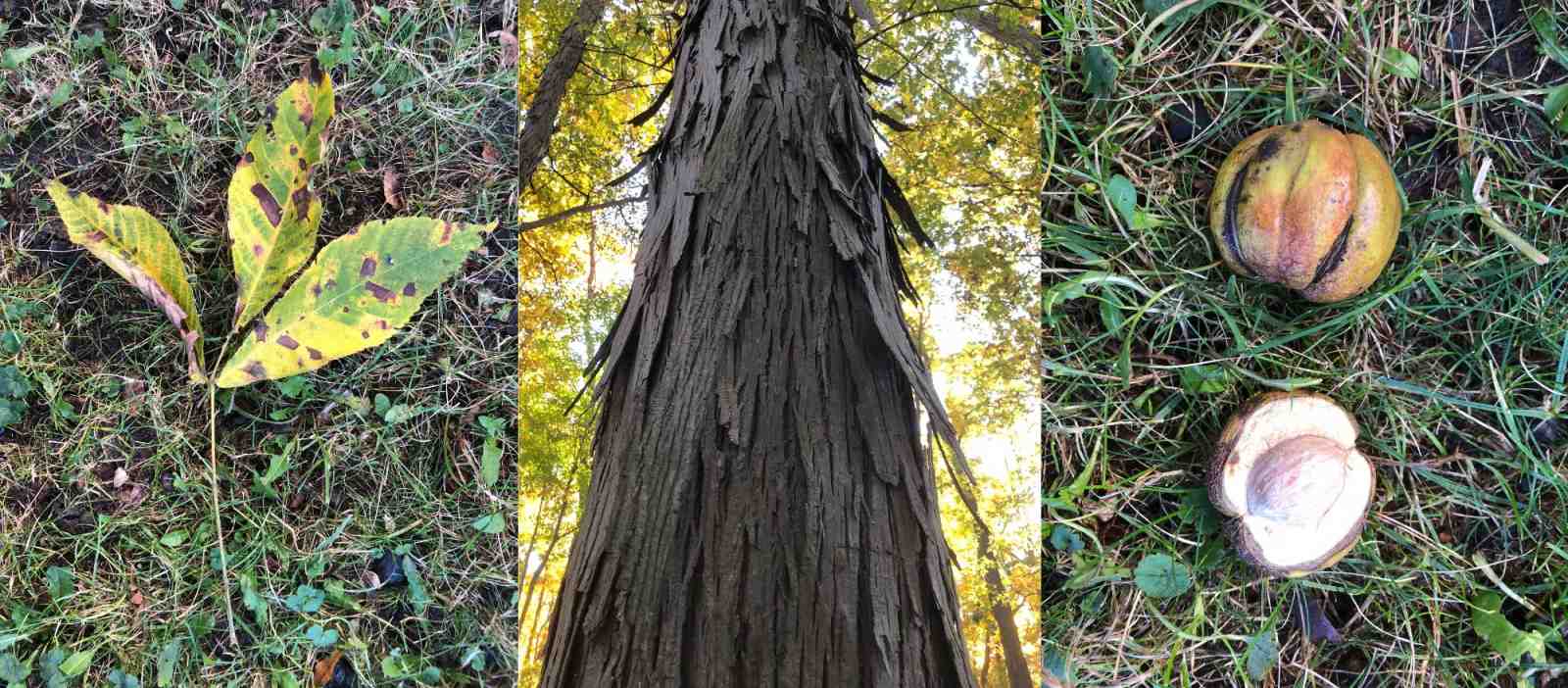
Shagbark hickory (Carya ovate) is named after the recognizable feature of the mature tree. The bark in the higher truck splays out thus the adjective shagbark. Hickory is a hardwood tree. The leaves of the shagbark hickory are a compound odd numbered pinnate (central stem) leaf. The compound leaf is 12 to 24 inches long.…
-
Prickly Ash
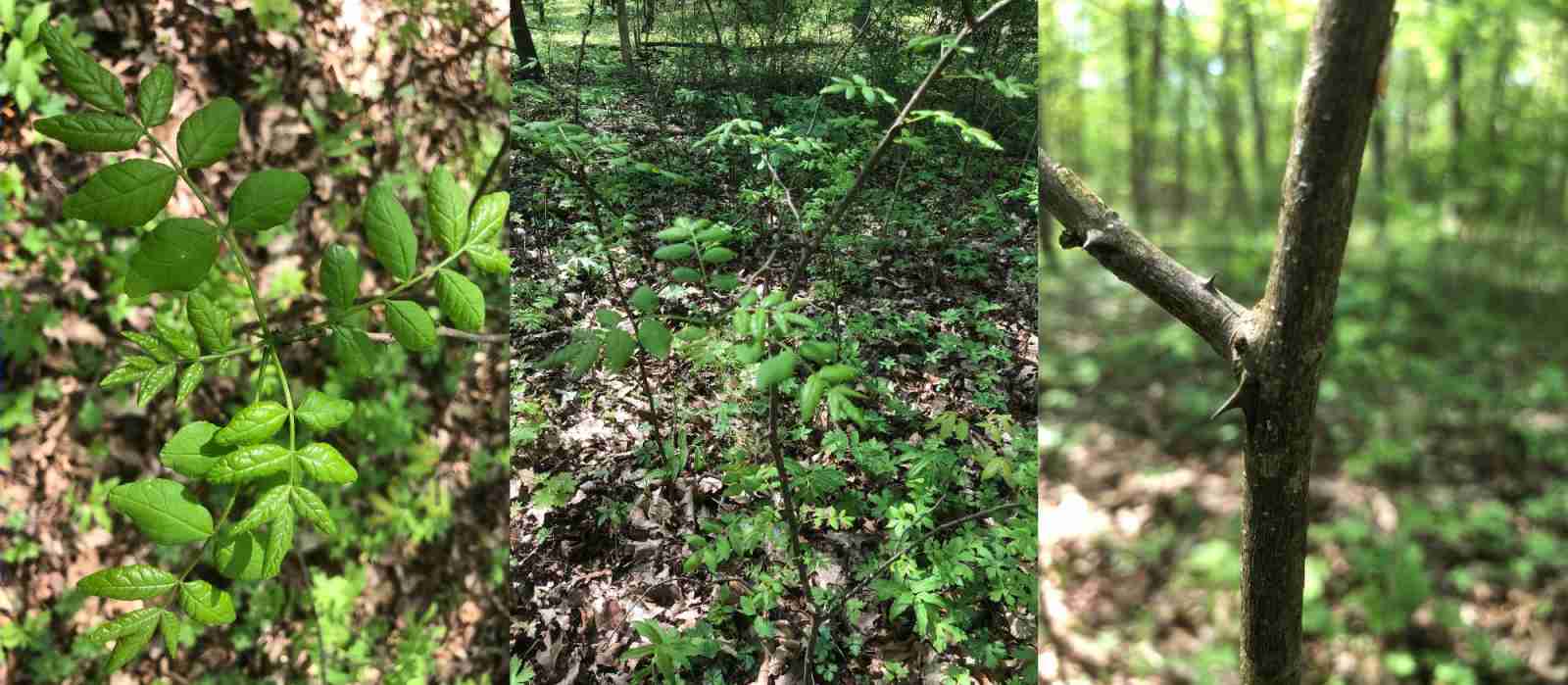
Prickly Ash (Zanthoxylum americanum) has a long litany of common names including toothache tree on Wikipedia. The oil extracts from the bark of the prickly ash have been used in traditional medicine and studied for antifungal and cancer killing properties. This was photographed along the path to the pond.
-
Oak Wilt
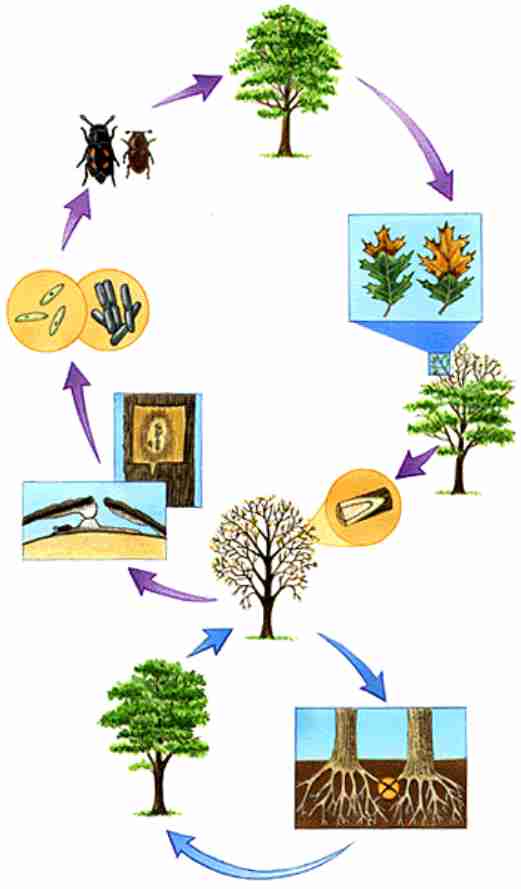
Oak wilt has come to Ann Arbor. It has been identified in trees in Bird Hills. Oak wilt is caused by a fungus called Ceratocystis fagacearum. The fungal disease is transferred by the water conducting (vascular) system of the tree directly below the bark. One way trees are infected is by tree trimming or storm…
-
Acorn Weevil
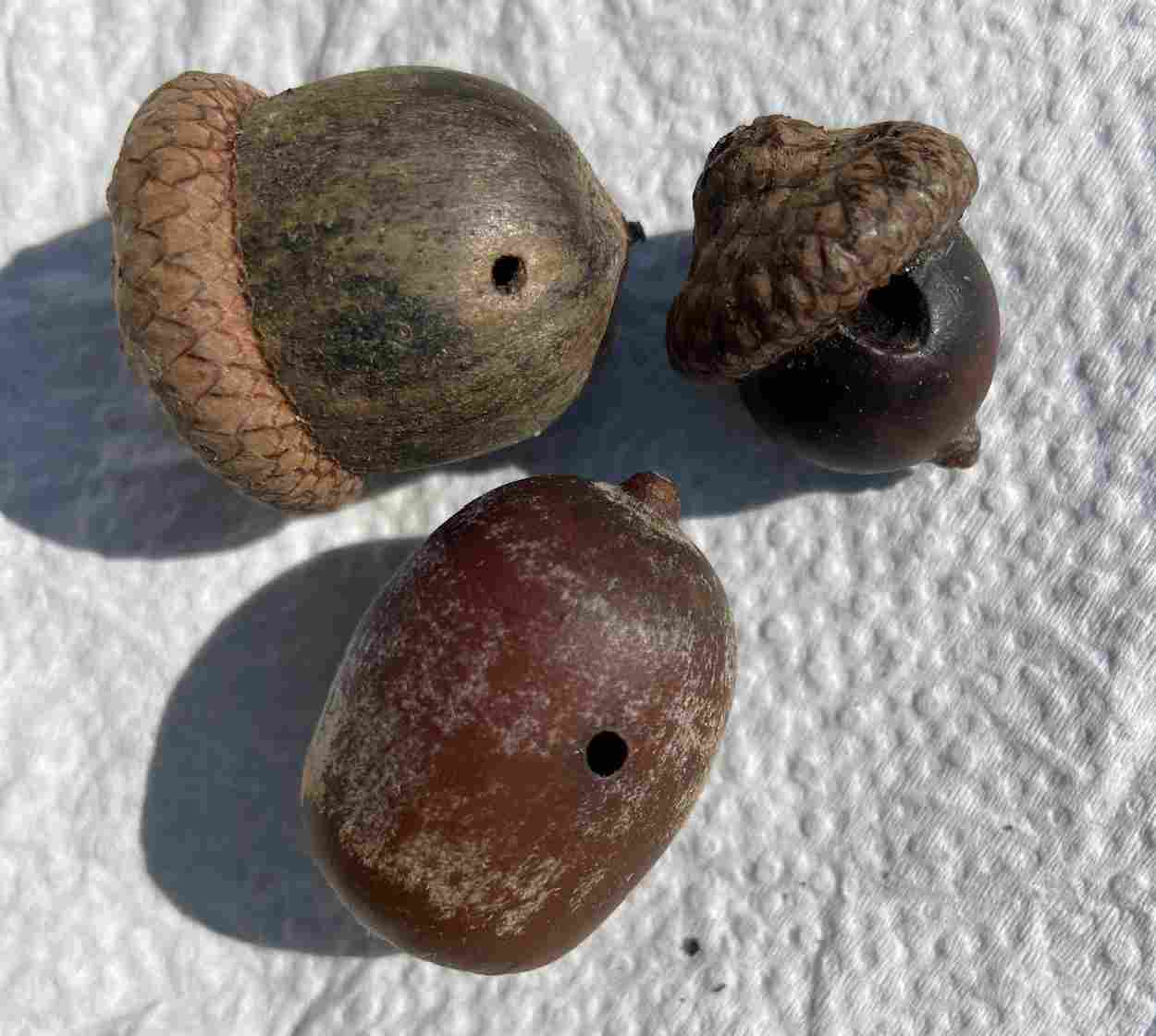
For those of you who are curious about those little round holes that appear in acorns and hickory nuts, here are the two videos that will identify the source of these holes. If you forage for nuts without holes and store them in a bag, you may end up with a bag full of holey…