Tag: Flora
-
Bluestem Goldenrod
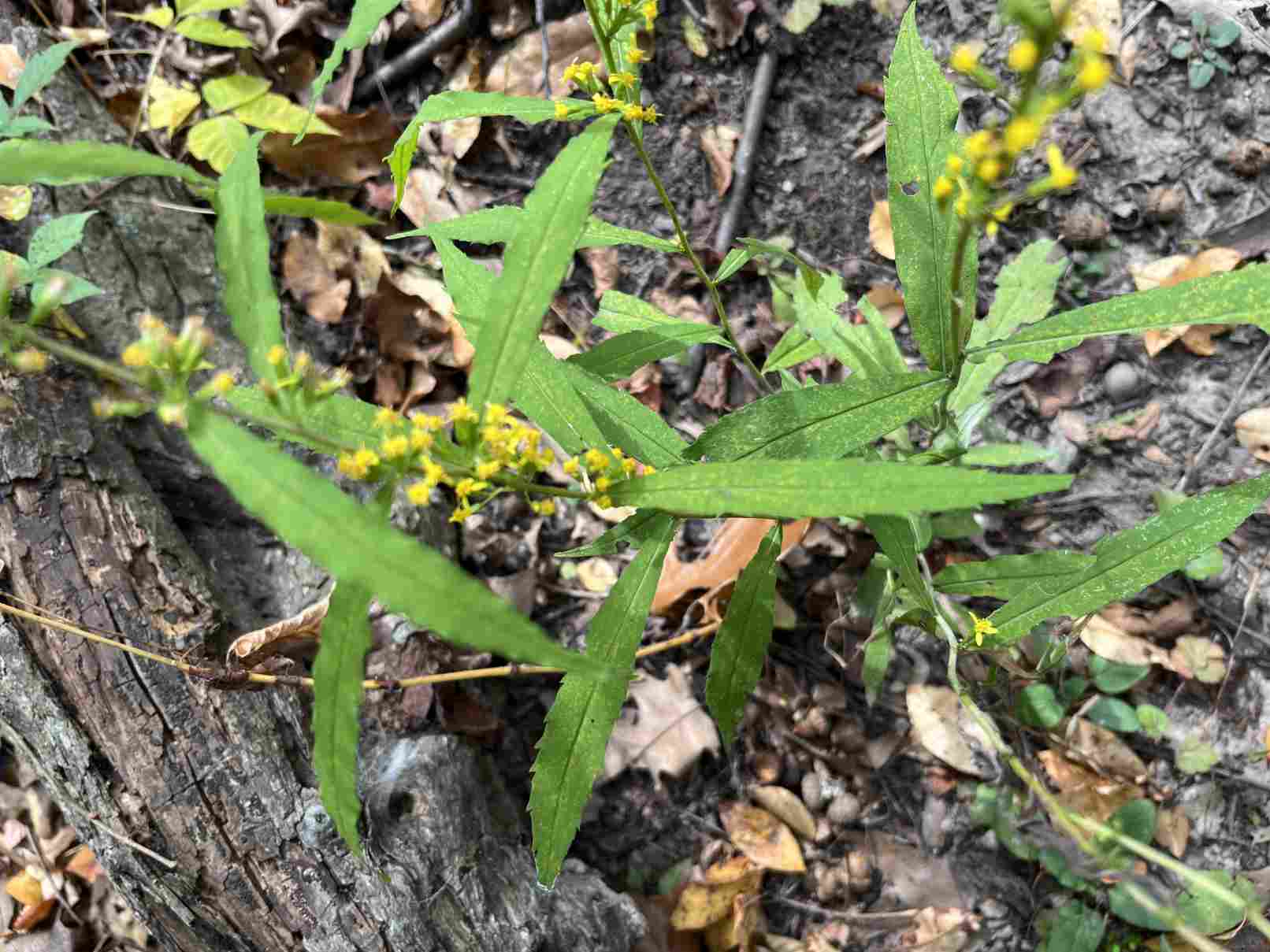
Bluestem Goldenrod (Solidago caesia) was found on the NAP west section behind the Coop. The small delicate flowers grow in a line along greenish-purple stems. It is mostly found in shady wooded areas. It grows in the eastern part of North America from Canada to Florida.
-
Puffball
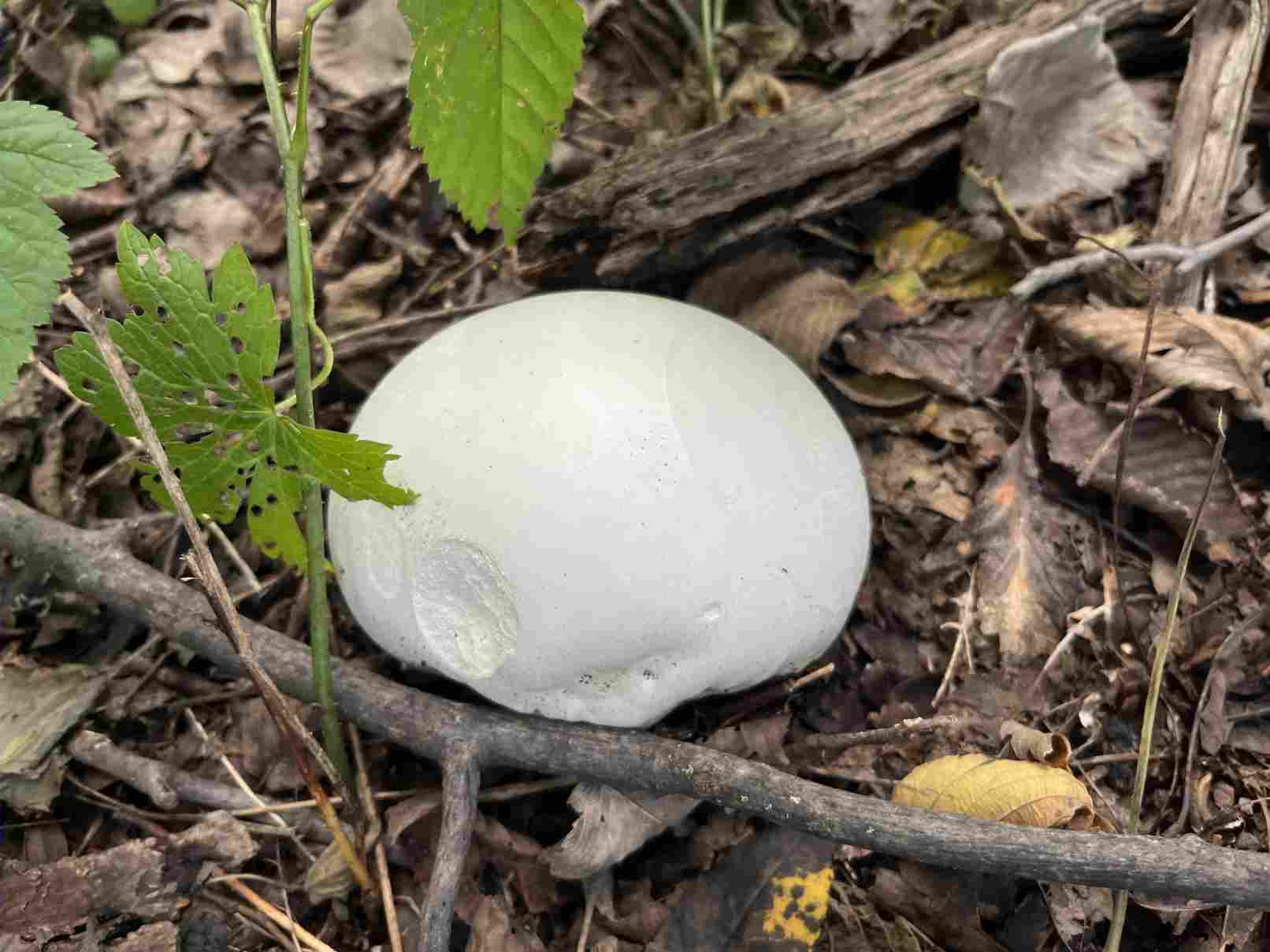
Giant Puffball (Calvatia gigantea) is found in meadows, fields, and deciduous forests in late summer and autumn. The rapidly growing puffball is edible, but within weeks it starts to decompose and is toxic. The giant puffball is found throughout the world in temperate climates.
-
Brown-toothed Crust Fungus
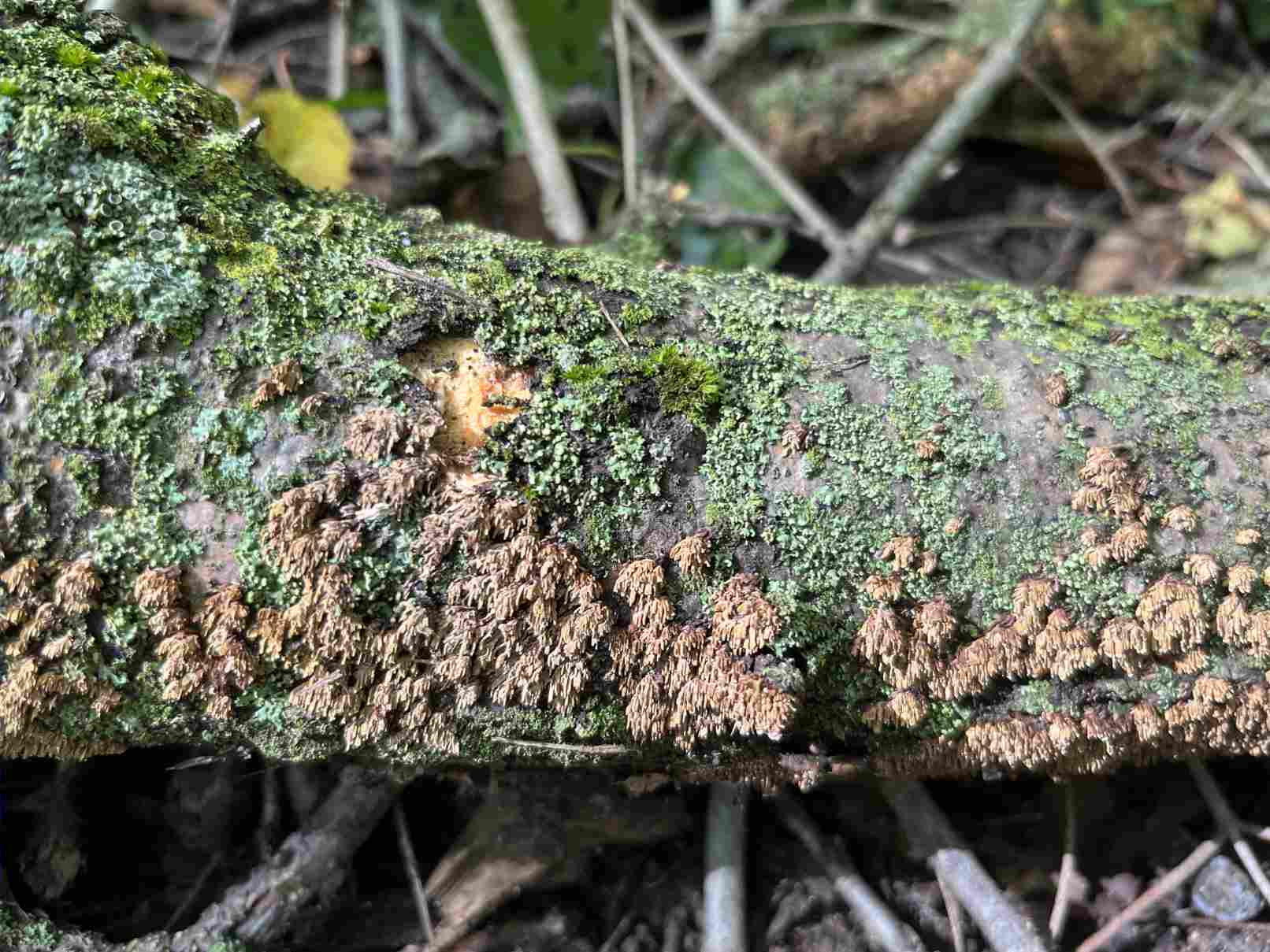
Brown-toothed Crust Fungus (Hydnoporia olivacea) is an olive-brown to reddish-brown leathery crust directly on wood surfaces, featuring a jagged, toothlike surface. It secrets chemicals to digest hardwood logs and branches.
-
Violet-toothed Polypore
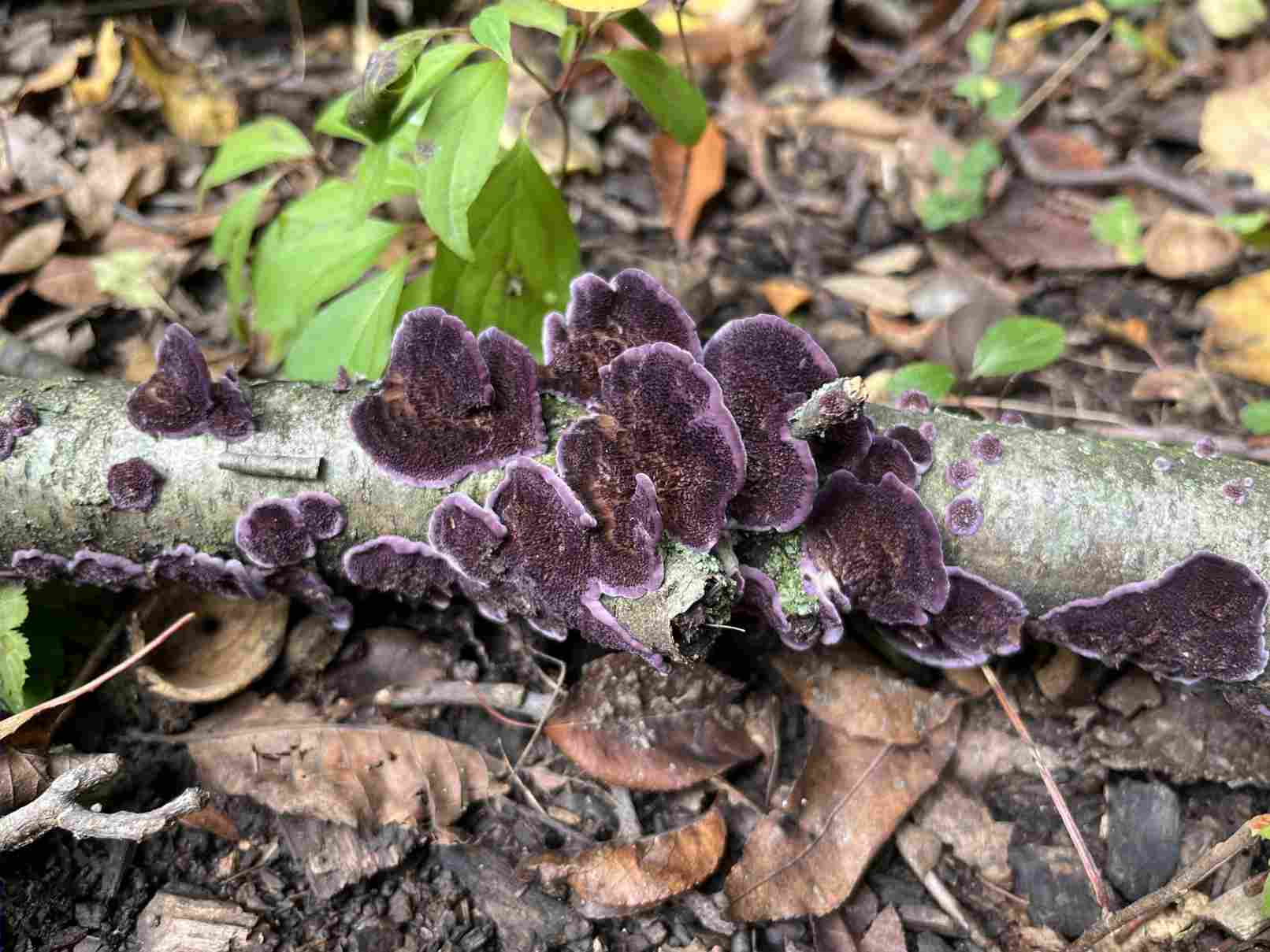
Violet-toothed Polypore (Trichaptum biforme) is an inedible common bracket fungus that is also known as violet-pored bracket fungus. It secrets chemicals to digest hardwood logs and stumps. Violet tooth is found in North America and other temperate climates.
-
Oak Bracket
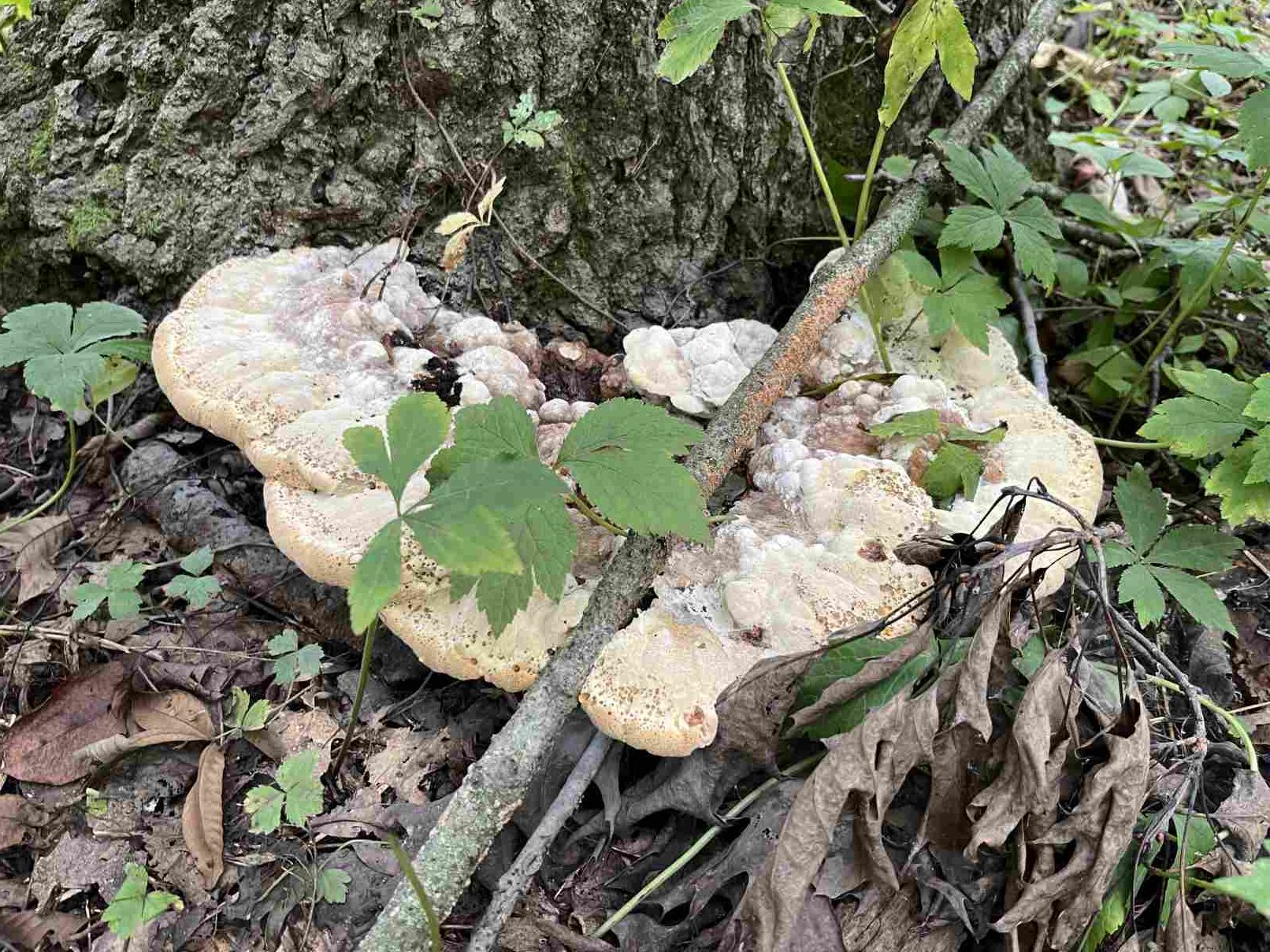
Oak Bracket (Pseudoinonotus dryadeus) is an inedible species of fungus often found growing at the base of oak trees. It is a parasite and primarily a root decay fungus, rotting the below-ground parts of roots. The blotches near the edges are secreted orange-brown liquid which weeps from tubes in its upper surface. Oak bracket is…
-
White Snakeroot
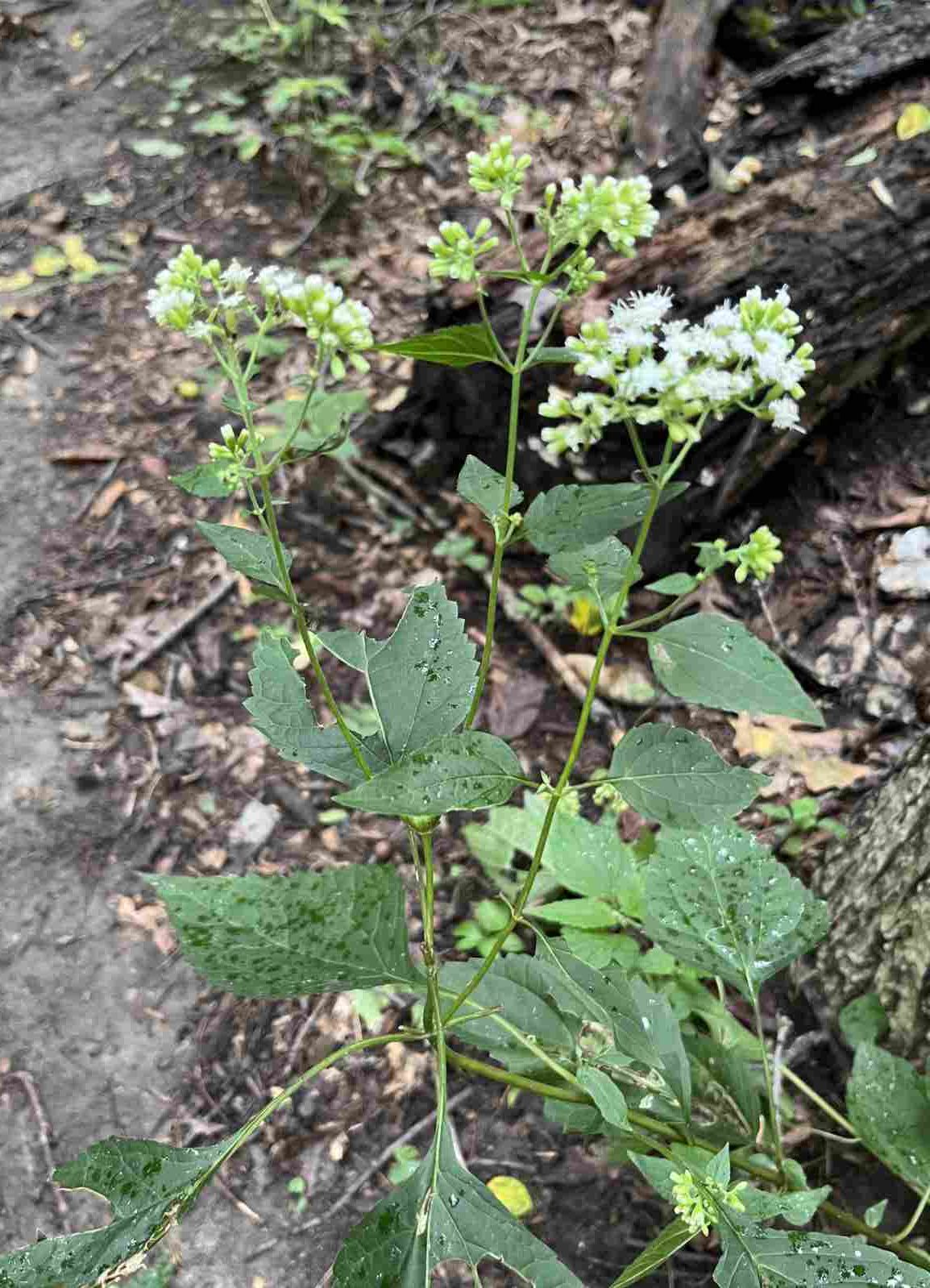
White Snakeroot (Ageratina altissima) is a native plant to eastern North America. Snakeroot can grow to almost 5 feet tall. It produces a single or multi-stemmed clumps in mid to late summer and fall. At the end of the upper branches, an umbrella collection of white flowers, measuring 2 to 6 inches across. Snakeroot can spread…
-
Full Moon Serenade (Hunter’s Moon) – October 25, 2026 @ 7:00 PM

WHO: Everybody is welcome WHAT: Singing at the benches by the pond. WHERE: Meet at the main entrance to Scarlett Mitchell Woods (the kiosk west of Scarlett Middle School and south of the bus turnaround loop). WHEN: 7:00 PM Sunday October 25, 2026 WHY: Get a different view of the woods in the dark. See…
-
Hare’s Foot Inkcap

Hare’s Foot Inkcap (Coprinopsis lagopus) is a delicate and short-lived fungus, the fruit bodies lasting only a few hours before dissolving into a black ink – a process called deliquescence. This fungus was found on the loop trail path heading towards the pond. We had lots of rain in the last number of days.
-
Garlic Mustard Journal (May 10, 2026)
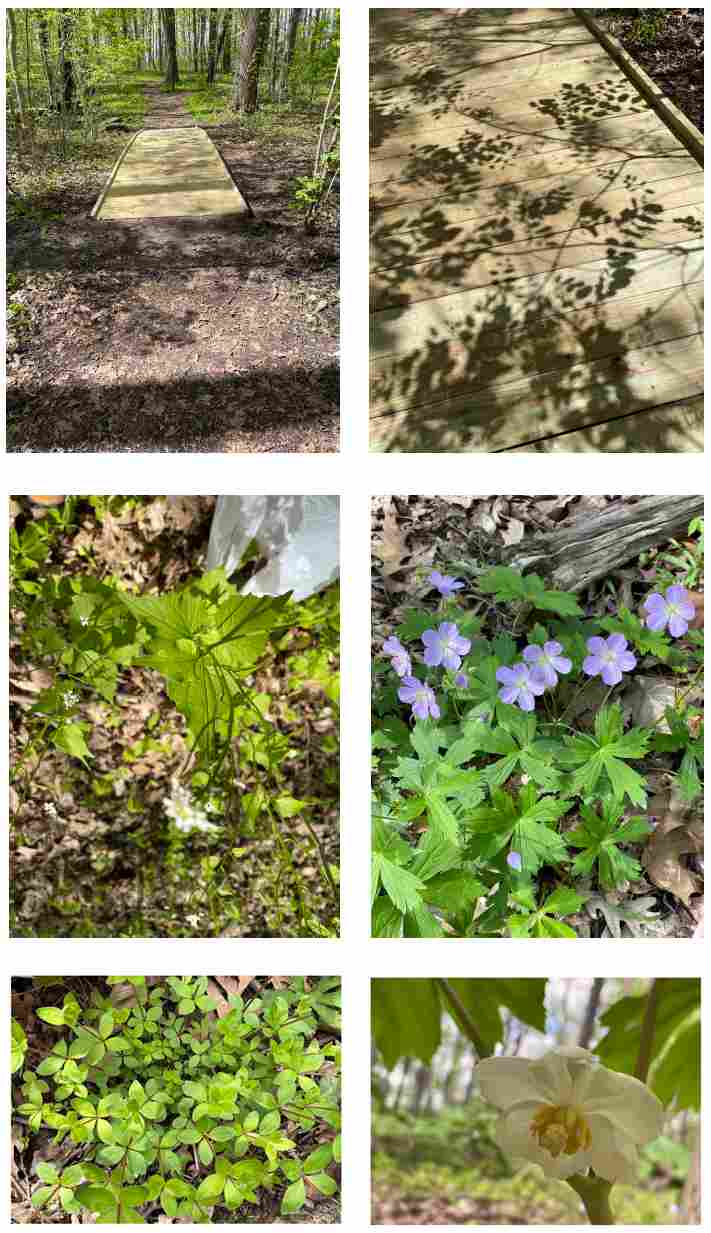
From: Judy S.: On Mother’s Day I enjoyed a long session in the woods checking up on the garlic mustard status and decided to put it in journal form with photos. It was an idyllic afternoon – weather just right, almost no one else in the woods and no traffic sounds. Mother’s Day – Session # 3(?)…
-
Chokecherry
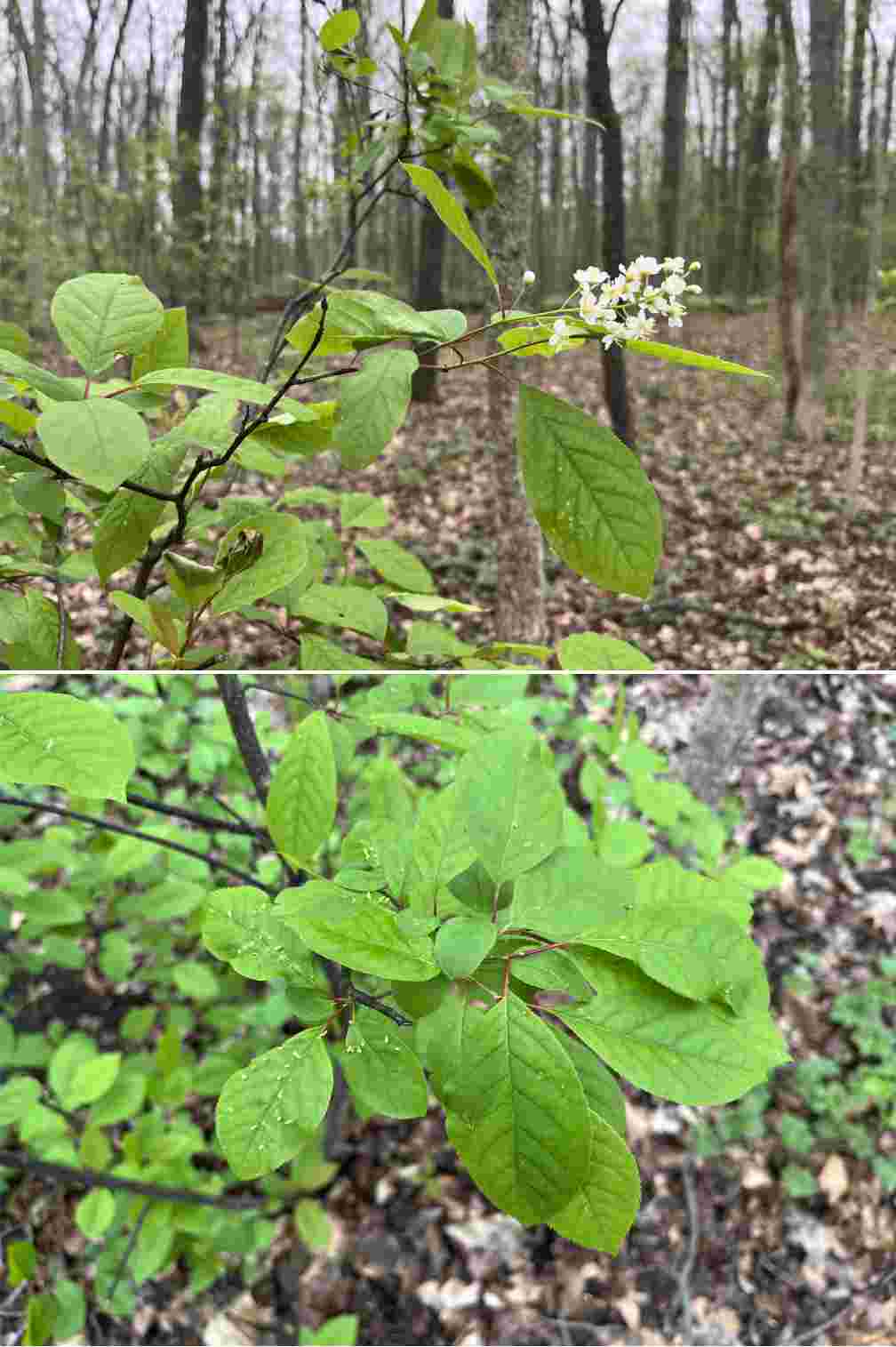
Chokecherry (Prunus Virginiana – Wikipedia) is a species of bird cherry native to North America. Chokecherries’ is a shrub, native from mid-Ohio to mid-Canada. Chokecherry leaf is oval 1 to 4 inches long and 1/2 to 2 inches wide. The leaf is dark green above with a paler underside. Chokecherry flowers are small, white, 5-petaled blossoms…